Most bathroom problems start small. A grout line cracks, a tile sounds hollow when you tap it, the caulk around the tub pulls away. You patch it, and six months later it's back.
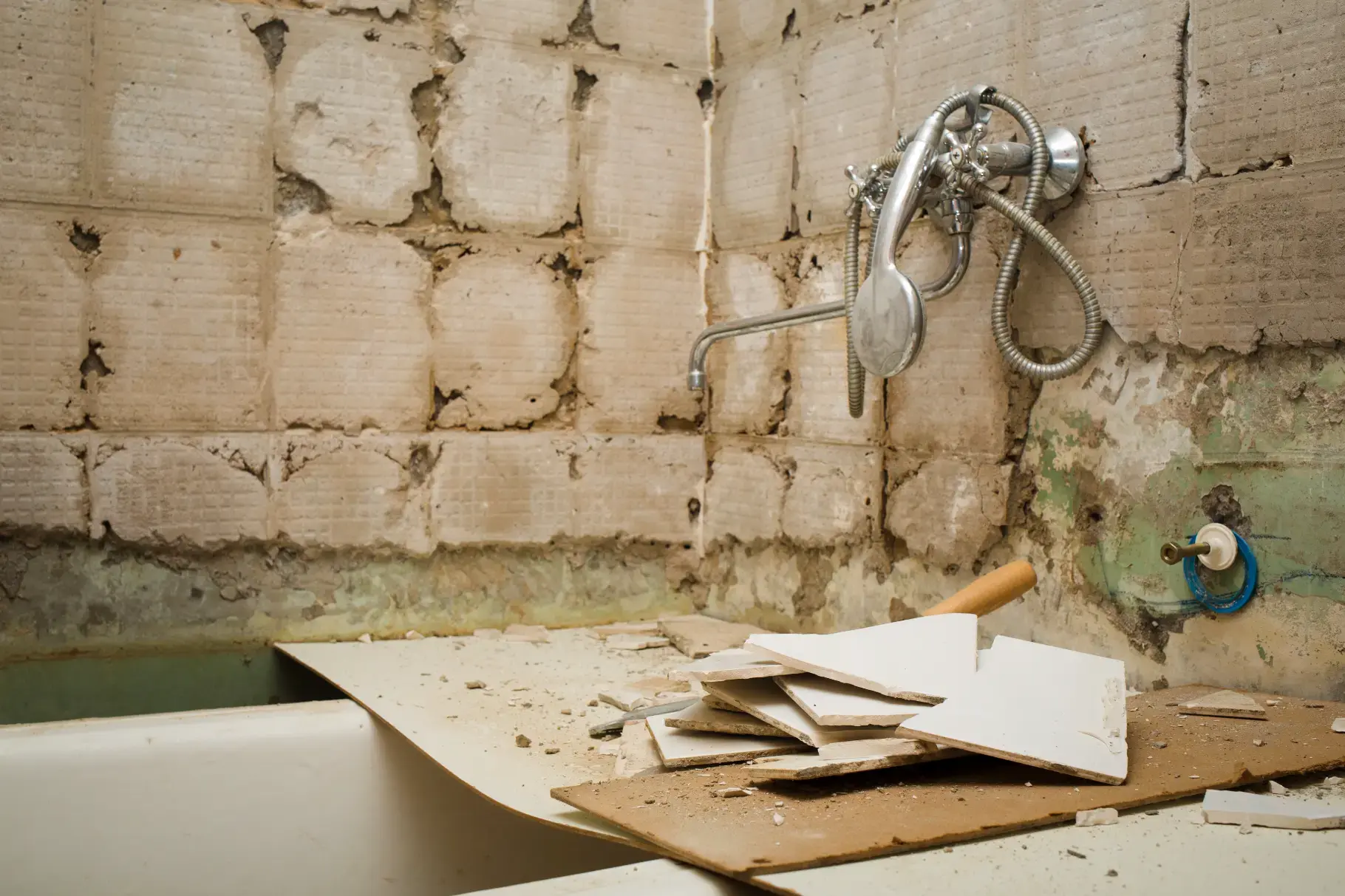
Here's the thing about bathrooms. Water doesn't stop at the tile. Once it gets behind the surface, it moves into the backer board, the studs and the subfloor. By the time you can see damage, it's been happening for a while.
That's the real difference between a repair and a bathroom remodel. A repair fixes what you can see. A remodel opens the wall and deals with what caused it.
This article covers the signs that tell you which one you're looking at. Some are obvious once you know what to check. Others you'll only find by pressing on a wall or looking underneath.
None of it requires a contractor to diagnose. You can walk into your own bathroom right now and check most of this in ten minutes.
Tile That Sounds Hollow or Moves Under Pressure
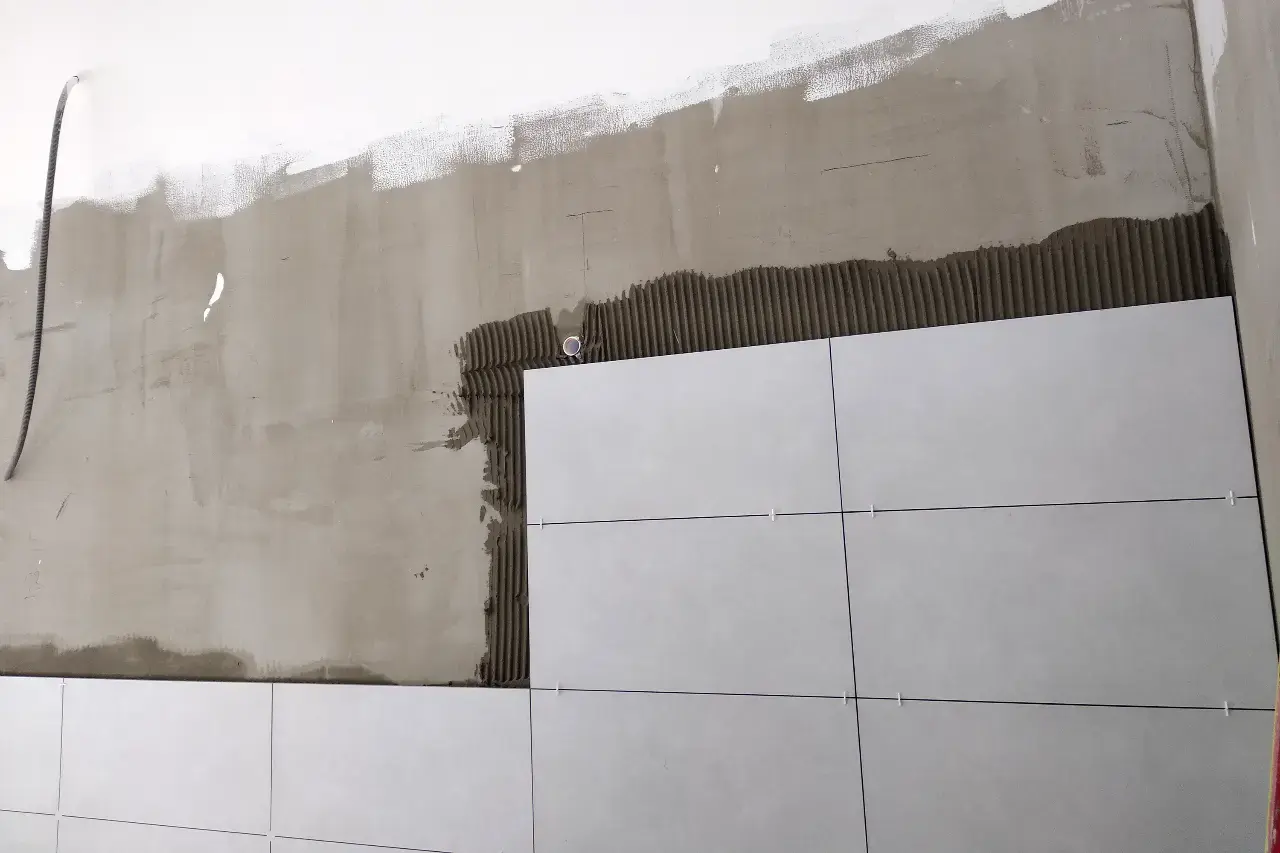
Tap along the tile around your tub and shower with a knuckle. Solid tile sounds solid. Tile with a void behind it sounds hollow, almost like a drum.
That hollow sound means the tile has separated from what it was bonded to. Sometimes that's a bad install. More often, in an older bathroom, it's water that got behind the surface and destroyed the backer board.
Press on the grout lines too. If a tile shifts even slightly, the substrate underneath is gone. You can regrout that tile ten times and it'll keep cracking, because the movement is what breaks the grout.
One or two hollow tiles at the edge of a wall might be a repair. A whole wall that sounds hollow is a remodel.
A Soft or Spongy Floor Near the Tub or Toilet
Stand next to the toilet and shift your weight. Then do the same thing in the doorway. The floor should feel identical in both places.
If there's any give near the toilet or along the base of the tub, water has been reaching the subfloor. Toilets leak slowly at the wax ring, and that leak goes down, not out. Nobody sees it until the plywood underneath has softened. The same thing happens at the tub apron when the caulk fails and nobody notices for a year.
This one is not a repair. A soft subfloor has to come out. Once you're taking out the floor, the toilet, the vanity and the tub are coming out with it. That's a bathroom remodel by definition.
Mold That Comes Back After You Clean It
Surface mold in a shower is normal. It shows up on grout and caulk, you clean it, and it stays gone for a while.
Mold that returns in the same spot within weeks is telling you something else. It means moisture is feeding it from behind, not landing on it from the front.
Check the wall on the other side of the shower too. A soft spot, bubbling paint or a musty smell in the next room means water made it through the wall cavity.
Bleach handles what you can see. It does nothing for what's growing inside the wall. If the same corner keeps coming back, the fix is opening the wall, not scrubbing harder.
When a Repair Still Makes Sense
Not every bathroom problem is a remodel, and any contractor who tells you otherwise is selling something.
A cracked tile in the middle of a solid floor is a repair. Failed caulk at a tub that's still tight is a repair. A running toilet, a dripping faucet, a vanity you're tired of looking at, all repairs or swaps.
The line is whether water has gotten behind the surface. Cosmetic problems stay cosmetic. Water problems spread into framing and subfloor that cost a lot more to replace than tile.
Here's a decent rule. If the problem is on the surface, fix the surface. If the surface is moving, sounding hollow or coming back after you fix it, something behind it is already wrong.